Out & about5 min read
Group travel packing lists: 7 ways to get everyone ready
Make a practical group packing plan for family travel, kids activities, or a work retreat. Separate personal gear, shared supplies, and who brings what.
By Picture Parrot
Group packing has a familiar failure mode: three people bring the same shared item, while everyone assumes someone else has the thing you need. A useful packing plan makes ownership visible and gives each person a short list they can act on.
01Start with what the group will actually do
Write down the trip length, planned activities, expected conditions, and what your accommodation or venue provides. A day of kids activities, a weekend with friends, and a work retreat need different lists. Check current venue, carrier, and trip-organizer instructions before packing.
Organize the list around moments: traveling there, the main activity, meals, downtime, and coming home. This makes it easier to notice a missing change of clothes or the cable needed for the first presentation.
03Put one name beside every shared item
“Someone bring the adapter” is an invitation to a last-minute shop visit. Write “Taylor brings the projector adapter and tests it with the laptop on Thursday.” Give the owner a chance to confirm they have the item.
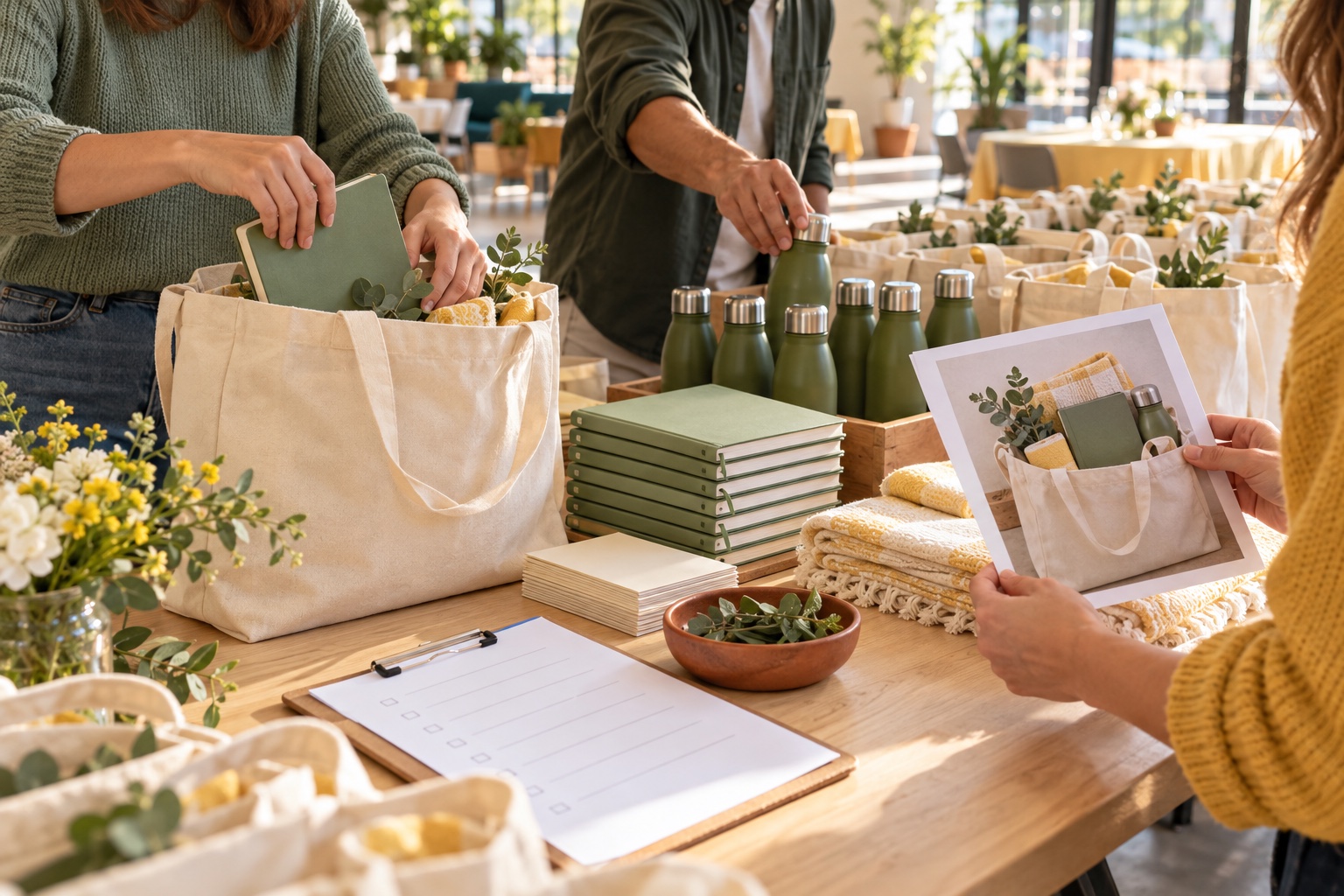
For a work retreat, split the equipment into presentation, workshop, and shared-comfort supplies. For a family trip, split games and activity materials between households. A backup can help, but one person should know they are responsible.
04Use a photo when the item needs explaining
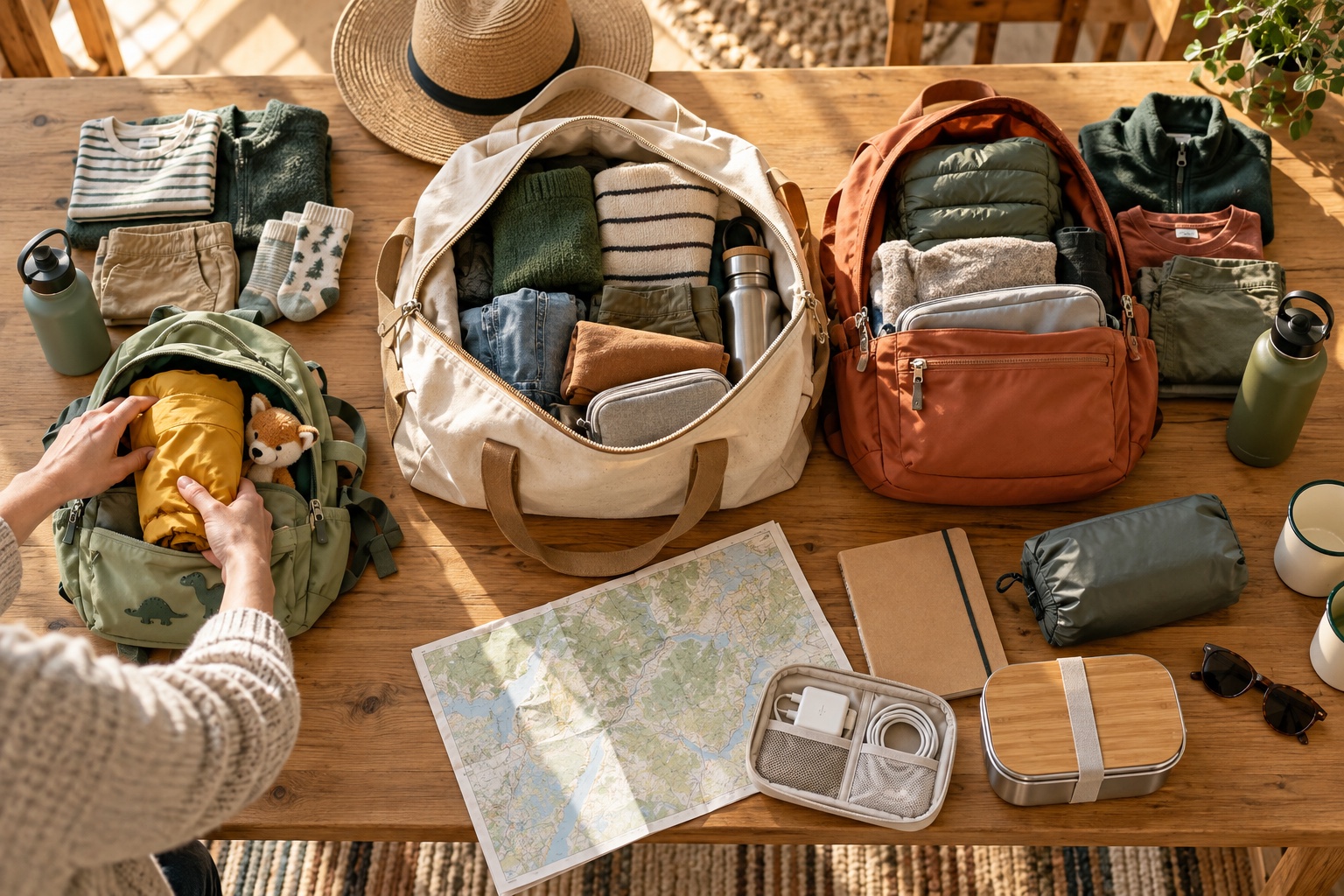
Lay out one bag’s contents and take a clear photo. A picture helps people identify the right bottle, activity pouch, or type of rain layer. Add notes about quantities and where each item goes. Label the scope plainly: “one child’s day bag” or “one workshop kit.”
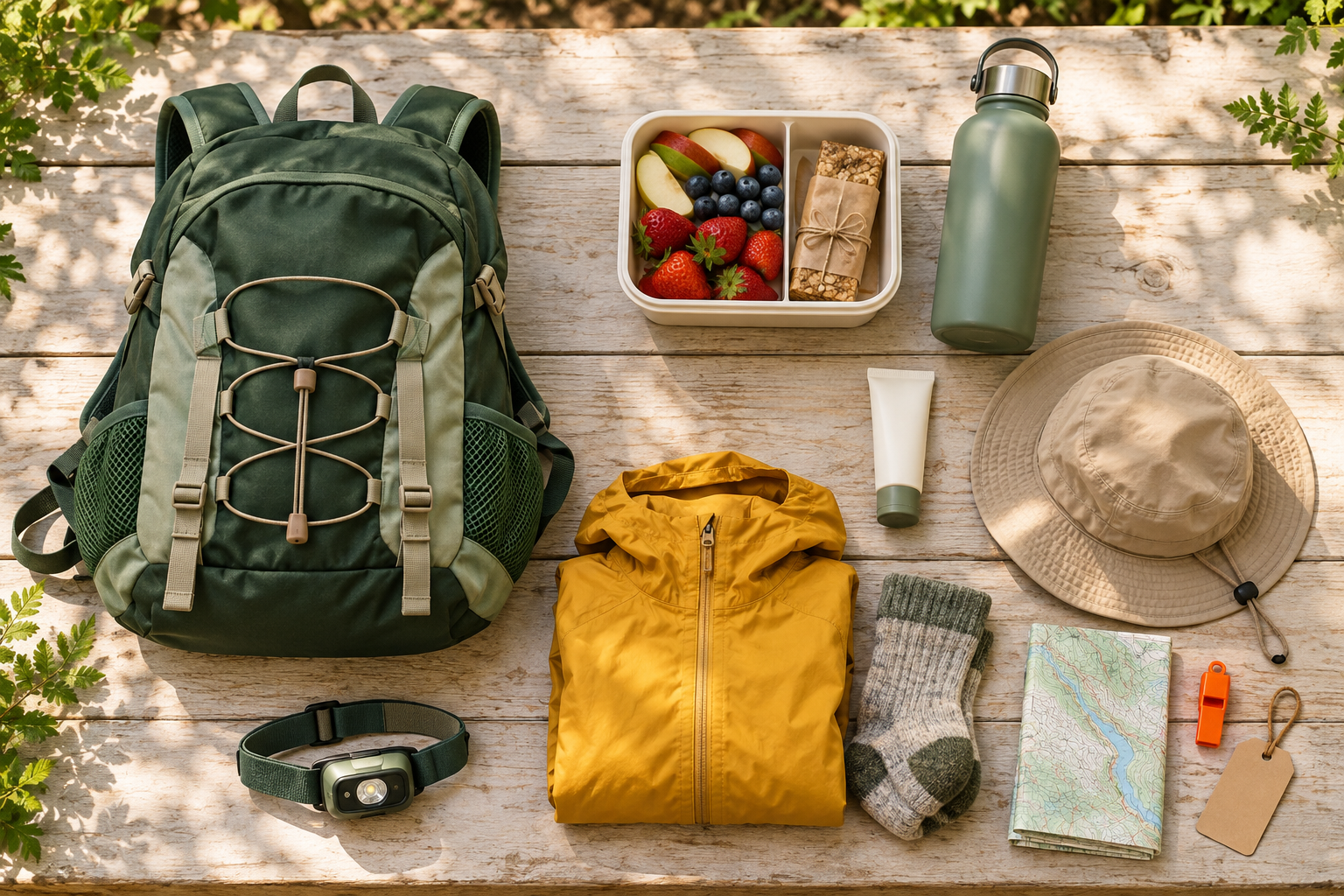
The kids hiking packing example shows eight items with packing and unpacking notes. Use it as a starting point for the format, then have the trip leader adapt the contents to your actual group and conditions. A general example is not a complete safety plan.
05Give kids a small part they can own
Let a child find recognizable items and check them against the picture with a grown-up. Ask them to put socks in the bag, find their hat, or point out their bottle. Adults make the final decisions about suitability, quantities, weight, and anything personal or safety-related.
For organized outdoor activities, the leader remains responsible for the group plan and emergency arrangements. The National Park Service’s hiking-with-kids advice is a useful planning reference. Follow your organizer’s requirements for the particular outing.
06Give each person their own final check
Share the packing plan early enough for people to find what is missing. Before departure, have each person check their own bag and ask shared-item owners to confirm what they are bringing. Keep one short “still needed” list with the organizer.
If every family needs an independent checklist, print one PDF per family or make separate guides. Checks on one shared online guide represent shared progress, not separate progress for every traveler. A printed photo packing guide can sit beside the bag while someone packs.
07Add a quick unpacking plan
Before the trip, agree where borrowed gear goes back and who handles shared equipment. Add simple return notes: empty the lunchbox, dry the rain jacket, recharge the presentation kit, return the game to the activity cupboard.
Afterward, update the list with what the group used and what it missed. You now have a useful starting point for the next trip, rather than a new round of messages asking who brought what last time.
Quick answers
- How do I avoid duplicate shared supplies?
- Keep shared items separate from personal packing lists. Assign one owner to each item and ask them to confirm before departure.
- Can each traveler have a separate checklist?
- Yes. Print a copy for each person or create separate guides. People using the same shared online guide see shared checklist progress.